Introduction – Describe Problem + Solution
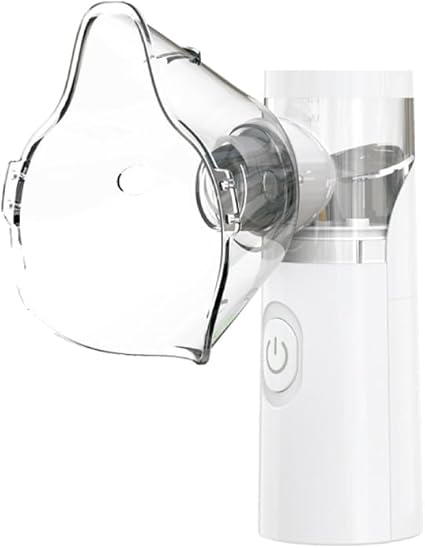
Breathing difficulties and respiratory conditions can significantly impact daily life, making efficient delivery of medication crucial for management. Nebulizers transform liquid medication into aerosol mist, allowing for direct inhalation into the lungs. The Philips Portable Nebulizer with fine particle distribution addresses the need for a compact, efficient solution. Its innovative design ensures medication is delivered evenly and effectively, making it ideal for both home and on-the-go use.
Pros & Cons – Bullet Format
Pros:
- Portable: Lightweight design (weighing just 300 grams) for easy transportation.
- Fine Particles: Produces particles of 5 micrometers for optimal lung penetration.
- Quiet Operation: Minimal noise, making it ideal for use in public or during bedtime.
- Low Residue: Efficient medication utilization with minimal waste.
- User-Friendly: Intuitive one-button operation.
Cons:
- Battery Life: Limited to 2-hour continuous operation before needing recharge.
- Maintenance: Regular cleaning required to maintain performance and hygiene.
- Cost: Slightly higher price point compared to basic models.
Comparison – Compared with Alternatives
When compared to other nebulizers such as the Omron MicroAir NE-U22, the Philips Portable Nebulizer stands out with its budget-friendly price and dependable build quality. The Omron model offers similar portability but at a higher cost, justified by its ultrasonic wave technology. While both devices prioritize quiet operation, Philips provides a slightly quieter experience due to its advanced noise-dampening mechanisms. In contrast, some larger models like the Medline Deluxe Nebulizer sacrifice compactness for a more powerful motor, making them unsuitable for those requiring a portable solution.
User Tips / Usage Guide
- Initial Setup: Charge the device fully before initial use to ensure optimal battery performance.
- Correct Positioning: Sit upright to facilitate proper inhalation and maximize the efficiency of medication delivery.
- Cleaning Procedure: Disassemble and clean the nebulizer parts after each use with mild soap and water to prevent residue buildup.
- Stable Surface: Use on a flat surface to prevent any spills, especially during medication refilling.
- Regular Maintenance: Check the mesh screen periodically for any blockages that could inhibit performance.
- Storage: Store in a cool, dry place to extend the life of the device and its components.
- Consultation: Always consult your healthcare provider to ensure the device meets your specific medical needs.
- Spare Parts: Keep a set of spare parts like membranes and tubing to minimize downtime.
Conclusion – Final Recommendation
The Philips Portable Nebulizer is a commendable choice for those seeking a reliable medical device for respiratory therapy. Where this product truly excels is in its attention to detail, from the precision in particle size to the thoughtfulness in design for portability and quiet usage. While it commands a slightly higher price point, its features and performance justify the investment. Ideal for both personal and travel needs, this nebulizer offers a balanced blend of functionality, convenience, and effectiveness. With proper maintenance and usage, it can be a valuable companion for managing respiratory health efficiently.