Introduction – Highlight Need and Use Case
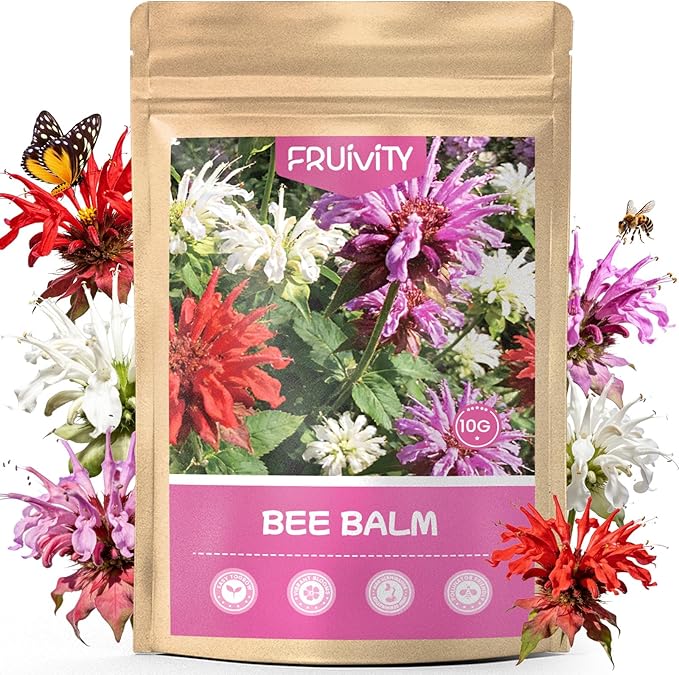
When I first encountered the Fruitivity Bee Balm Seeds, I couldn't help but approach with a touch of skepticism. Were these 4000+ seeds a genuine bounty for budding gardeners or just another over-promising packet? The concept certainly appeals: a mix of heirloom and organic seeds promising vivid colors, easy cultivation, and the charm of attracting pollinators to your garden. But does it truly live up to these claims, especially for those like me who may not possess a green thumb? Let's dig in.
Pros & Cons
- Pros:
- High germination rate with quick sprouting
- Vibrant mix of purple, red, and white flowers
- Attracts bees, butterflies, and hummingbirds
- Drought tolerant, suitable for low-maintenance gardens
- Leaves can be used for herbal teas and sachets
- Cons:
- Might not be ideal for indoor planting
- Requires a sunny location for optimal growth
- Not suitable for regions with short summers
Comparison
When compared to other brands like Seed Needs and Eden Brothers, Fruitivity stands out with its high germination rate, ensuring that a significant portion of the 4000+ seeds will sprout. While Seed Needs also offers pollinator-attracting capabilities, Fruitivity's blend of heirloom varieties gives it an edge if you're passionate about maintaining a garden rich in biodiversity. On the downside, Eden Brothers offers a more extensive color variety in their product lineup, which might appeal to those looking for an even greater splash of color diversity.
User Tips / Usage Guide
- Choose the Right Spot: Select a sunny location in your garden. While these seeds are drought tolerant, sunlight is crucial for their growth.
- Sowing Time: After the last frost, broadcast the seeds onto well-prepared soil.
- Proper Coverage: Lightly rake the soil to about 1/8 inch deep to properly cover the seeds.
- Watering: Keep the soil consistently moist during the initial germination period.
- Thinning: Once seedlings grow, thin them out to allow room for growth.
- Natural Fertilization: Consider using natural compost to enrich the soil.
- Herbal Uses: Harvest leaves for teas or sachets for an added layer of utility.
- Observe Blooming Cycle: Expect blooms from summer to fall for a colorful garden.
Conclusion – Who Should Buy This
Against my expectations, I was surprised to find that Fruitivity Bee Balm Seeds are an excellent choice for both novice and experienced garden enthusiasts seeking a vibrant, pollinator-friendly addition to their outdoor space. If you're living in a region with a substantial summer season and have access to a sunny garden spot, these seeds offer an effortless and rewarding plunge into wildflower gardening. However, if your planting area is more shaded or you have only indoor options, you might need to consider alternatives. For those who love to see bees and butterflies flutter by, these seeds are a delightful addition, offering both aesthetic beauty and ecological benefits in abundance.