Introduction
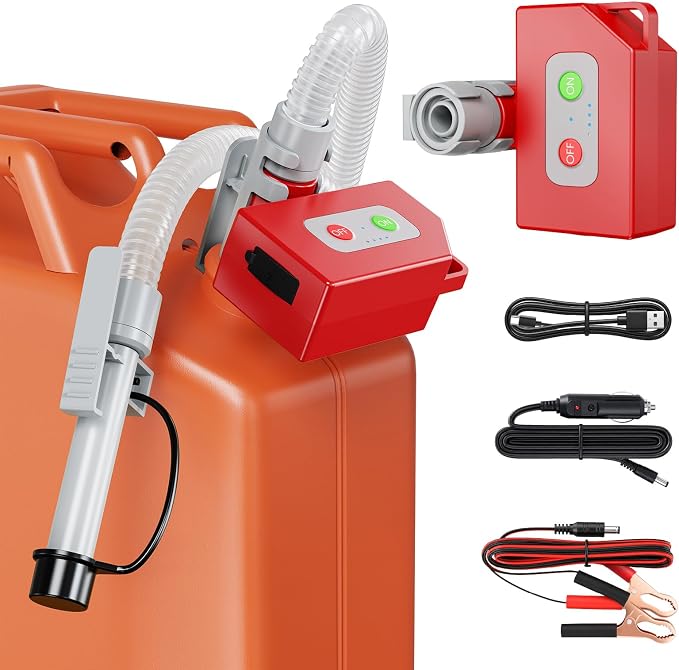
The CFWS Fuel Transfer Pump addresses a persistent issue faced by individuals who regularly need to transfer fuel to vehicles, watercraft or generators: the cumbersome and sometimes inconvenient process of properly aligning fuel canisters with adapters and dealing with complex screwing mechanisms. This electric pump provides a seamless solution, allowing users to transfer fuels such as gasoline or diesel from 5-, 10-, and 20-liter canisters without the hassle of finding compatible adapters. The device simplifies fuel transfer by using an efficient auto-stop sensor, avoiding spills with a hands-free operation.
Pros & Cons
- Pros:
- Adapter-free design suitable for various canisters
- Built-in auto-stop feature to prevent overfilling
- Brushless motor for durable, quiet operation
- Rechargeable via USB-C, eliminating frequent battery purchases
-
1.88-meter hose for flexibility in reach
-
Cons:
- Not suitable for water or chemical transfer
- Requires initial charge before first use
- Canister not included with purchase
Comparison
When compared to traditional fuel transfer methods, such as manual siphoning or pumps requiring manual screwing mechanisms, the CFWS Fuel Transfer Pump offers a notable improvement in convenience and safety. Competing products often necessitate the attachment of various adapters, which can be cumbersome and may not always fit the users’ existing canisters. While some similar battery-operated pumps exist, they frequently require purchasing and replacing AAs or proprietary batteries. The CFWS unit, with its USB-C charging option, presents a more cost-effective and environmentally friendly solution. Another edge this pump has over competitors is its auto-stop feature, which reduces the risk of fuel spills and subsequent cleanup.
User Tips / Usage Guide
-
Initial Charge & Setup: Charge the built-in battery fully using the provided USB-C cable before first use to ensure optimal performance.
-
Securing the Pump: Insert the 55-cm suction pipe into the canister’s opening and secure with the provided clip for a stable setup.
-
Positioning the Hose: Place the 1.88-meter outlet hose into the tank you are filling. The extra length allows you to keep the canister on the ground, reducing physical strain.
-
Auto-Stop Sensor: Take advantage of the pump's sensitivity to liquid levels; return to the pump once it stops to prevent idling.
-
Power Source Alternatives: If needed, utilize the 12-V adapter or battery clips in situations where USB charging is impractical.
-
Pulse Operation for Control: Use pulse-like operation for precise control over small tanks to avoid overfilling small engines, like those in lawnmowers.
-
Cleaning and Maintenance: Regularly clean the suction tube after each use, especially if switching between fuel types.
-
Long-Term Storage: When storing the pump for extended periods, ensure it is fully charged and clean to maintain battery health and overall functionality.
Conclusion
The CFWS Fuel Transfer Pump is ideal for users who require a streamlined, safe, and adaptable method for transferring fuel across vehicles and machinery. This product stands out for mechanics, homeowners with large properties, and marine enthusiasts requiring regular fuel transfer without the chore of juggling various adapters or screwing mechanisms. It's particularly useful for those tired of constantly purchasing consumable batteries and looking for a reliable, rechargeable solution. Whether you are operating a farm, powering a seasonal boat, or maintaining a garden with moving equipment, this pump could serve as an efficient and long-lasting addition to your toolkit.